
Description
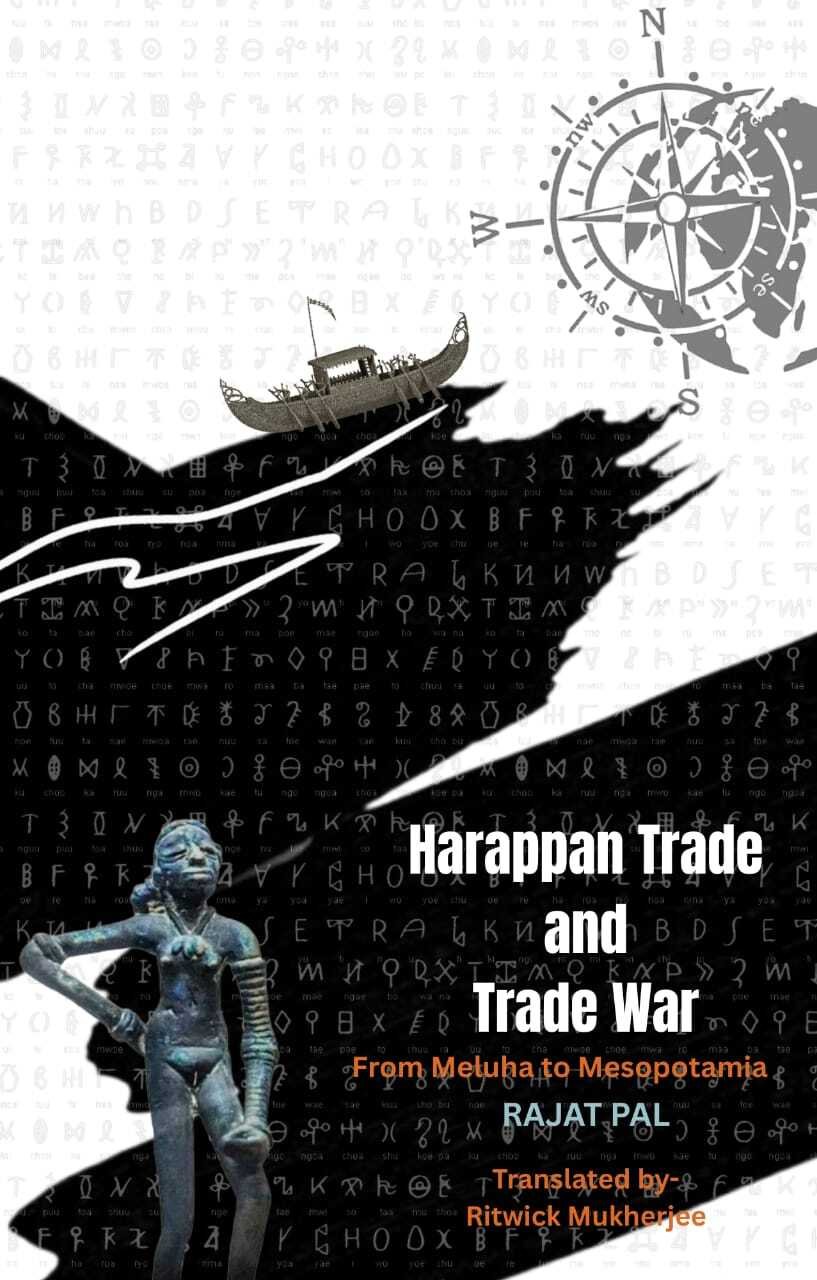
In between the Indus Valley Civilization and Mesopotamia lies Persia, modern day Iran. This region, lying between the two great ancient civilizations, has of late been throwing up many archaeological evidences which, unfortunately, always do not make headlines. The regions of Sialk, Tepe Hissar and the like once formed the backbone of the overland trade route between these civilizations. The bulk of the precious gems and stones from Indus Civilization, that have been unearthed in hordes in Mesopotamia, made their way through the Great Khurasan Road. This trade route once became a bone of contention culminating in devastating wars circa 3000 BC. The aftermath of these conflicts were the temporary suspension of trade activities of the Harappans, the decline of Shahr-e-Shokta and incineration of many Harappan sites.
The Harappans again consolidated themselves after a hiatus of few centuries. They discovered the maritime route via the Persian Gulf. They took control of the mines situated in northern Afghanistan and developed mining settlements such as Shortughai. In their final onslaught they annihilated the settlements which had sprung up east of Iran. The first trade war in history, waged with the sole aim to control the trade of the lucrative items such as Lapis Lazuli, Carnelian and Steatite, continued for centuries.
This book deals with the sites of Iran and the turbulent phase of that time. This book also brings to life the upheavals the society of Harappan Civilization went through during this crucial point of time in history. Unknown history (constituted from latest excavations and folklores) of International Trade from Indus Valley civilization (IVC) to Mesopotamia through the land routes of Persia (Iran) and the Ancient Trade War therefrom.




Reviews
There are no reviews yet.